.jpg)
Discover the beauty and heritage of traditional clothing from cultures across the globe. From elegant Indian saris and flowing Nigerian agbadas to the timeless Vietnamese nón lá hat, traditional outfits tell stories of history, identity, and craftsmanship. Try them on virtually, explore their meanings, and shop authentic looks that celebrate cultural pride and diversity. Whether you are curious about ceremonial attire, everyday garments of the past, or iconic national costumes, this collection brings you closer to the world’s rich fashion traditions.
.jpg)
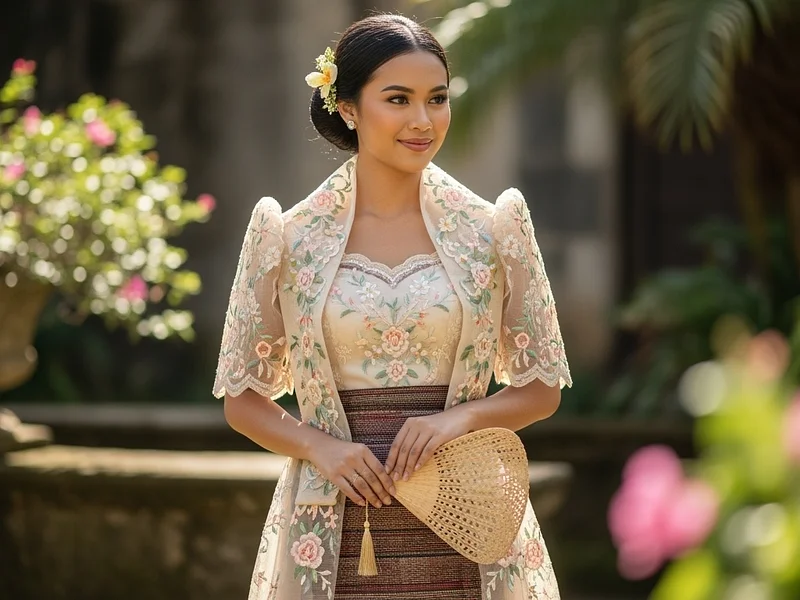
Celebrate the elegance and heritage of Filipino traditional clothing. From the formal barong Tagalog, made of fine em...
Try on your own look with AI
Traditional clothing refers to garments that are specific to a culture, region, or ethnic group, often passed down through generations. These outfits typically carry symbolic meaning, represent heritage, and are worn during festivals, ceremonies, or special occasions.
Traditional Filipino clothing includes garments such as the barong Tagalog for men, a formal embroidered shirt made of lightweight fabric, and the terno for women, a dress with distinctive butterfly sleeves. These outfits are often worn during formal events and national celebrations.
Traditional clothing is important because it preserves cultural identity, showcases heritage, and connects people to their history. It also serves as a form of artistic expression, with unique fabrics, embroidery, and designs that reflect local craftsmanship and values.
There is no single best traditional clothing, as it depends on cultural context. Each community’s attire holds unique meaning, from the Japanese kimono and Scottish kilt to the Indian sari and West African dashiki. What makes them special is their history, artistry, and the pride people take in wearing them.
The United States does not have one unified traditional outfit, but several garments are associated with American heritage. Examples include Native American regalia, the cowboy hat and boots of the Western frontier, and regional folk costumes such as square dance attire.
The traditional Korean dress is called hanbok. Known for its vibrant colors, flowing lines, and simple elegance, the hanbok is worn on special occasions such as weddings, festivals, and traditional holidays.
Although the kimono is Japanese, China has its own traditional garments. The most well-known are the hanfu, an ancient attire dating back thousands of years, and the qipao or cheongsam, a more modern, form-fitting dress from the Qing dynasty era.
A kaftan is a long, loose-fitting robe or tunic worn in many cultures across North Africa, the Middle East, and South Asia. Traditionally made of lightweight fabric, kaftans can be plain or richly decorated, and are valued for their comfort and elegance.
.jpg)
Need outfit ideas for girls, teens, men, or women? CostumePlay AI makes it easy to browse curated looks for school, s...
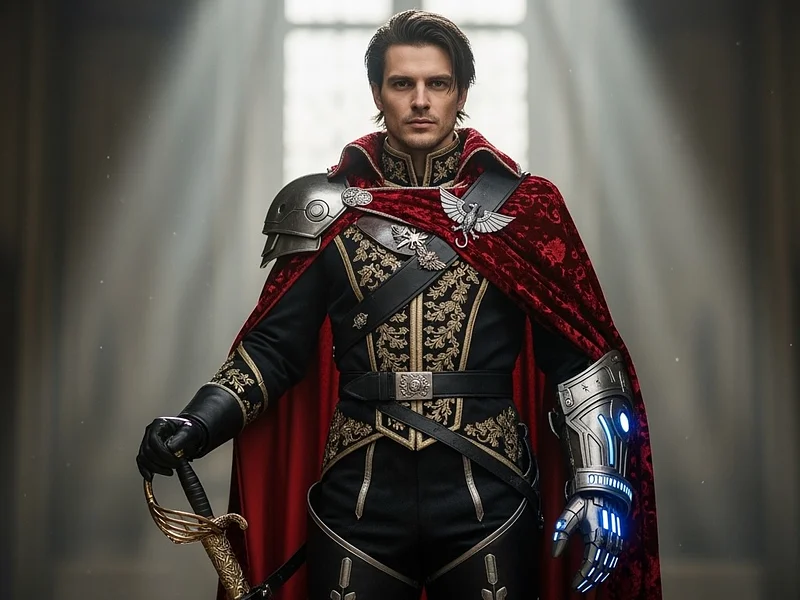
Costumes are the ultimate way to transform your look, whether it’s for Halloween, themed parties, cosplay events, or ...
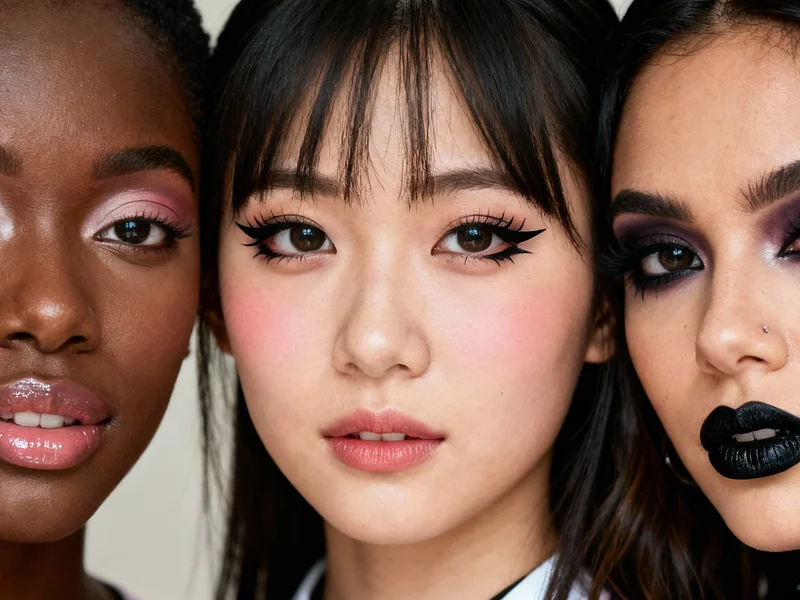
Step into the world of makeup with our virtual try-on and shop experience. Explore curated looks inspired by differen...

Step into style with our curated collection of dress-inspired looks. Whether you’re searching for elegant evening gow...
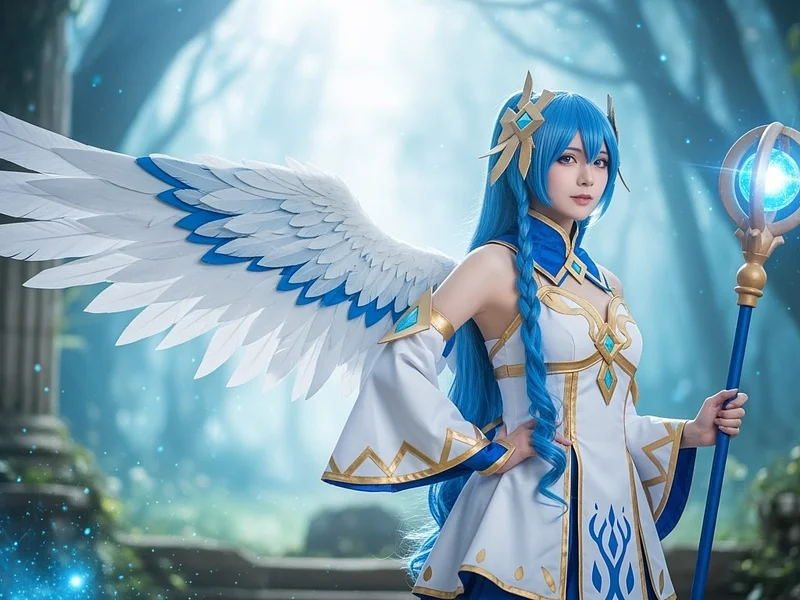
Step into character with our Cosplay Costume collection, designed for fans who love bringing their favorite anime, mo...
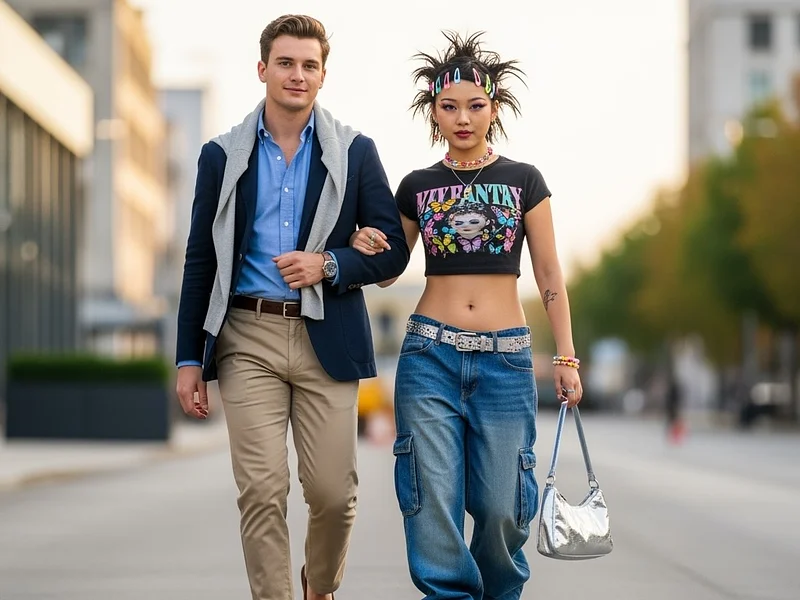
Discover trending aesthetic fashion styles, from timeless classics to nostalgic throwbacks. Whether you’re into Y2K l...
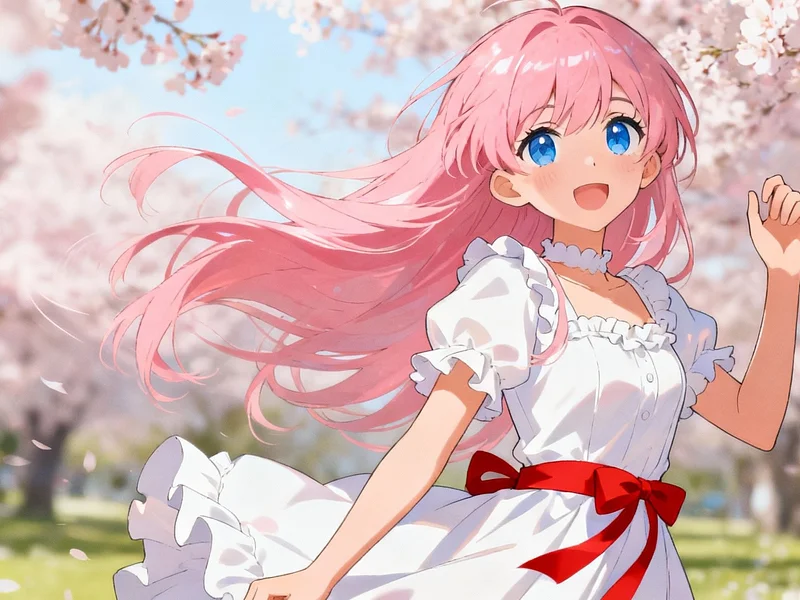
The Characters category is dedicated to full character transformations where individuals reimagine themselves as a co...
Explore categories, subcategories, and templates.
Latest tips, product updates, and guides.
Generate basic AI photos. No try-on.
Create styled lookbook previews for outfits, cosplay, and themes.
Generate costume concepts instantly.